
A Lincolnshire Farm Solar Example That Works
28 September 2026 | By RJ Hill Electrical
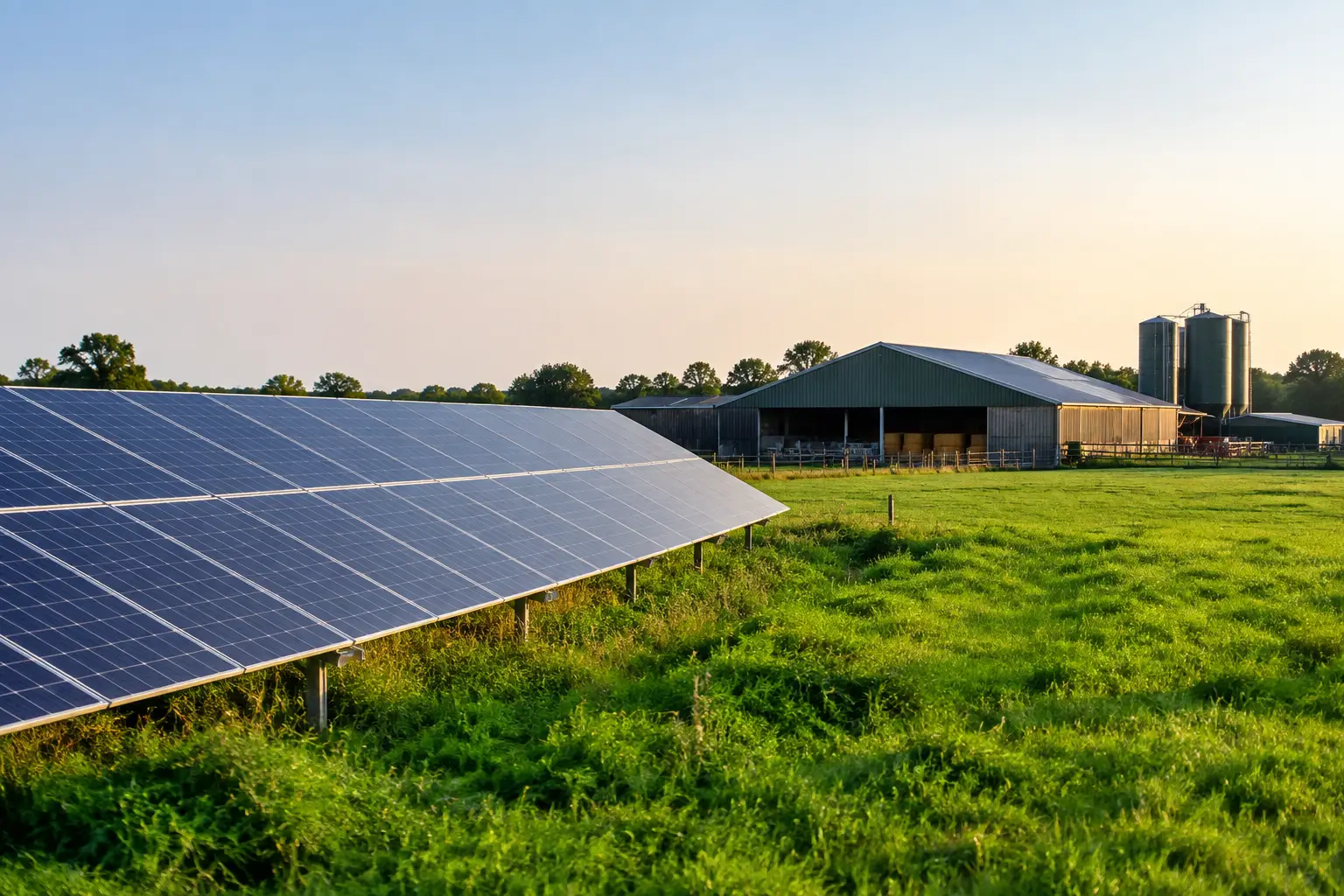
A working farm rarely uses electricity in a neat, predictable pattern. Demand rises when grain is being dried, livestock buildings need ventilation, refrigeration is running, workshop machinery is in use or irrigation equipment is operating. That is why a Lincolnshire farm solar example needs to start with how the holding actually uses power, not simply the size of its available roof.
For many farms, Solar PV can turn a large, underused agricultural roof into a source of lower-cost daytime electricity. The strongest results come from a system designed around the farm’s load profile, future plans and connection capacity. It is a practical investment, but it is not a one-size-fits-all purchase.
What a Lincolnshire Farm Solar Example Might Look Like
Consider a mixed farm with a modern south-facing machinery shed, regular daytime electricity use and higher seasonal demand during harvest. The business runs lighting, refrigeration, pumps, workshop tools and grain-handling equipment. Electricity bills are significant, particularly when equipment is operating during daylight hours.
A suitable Solar PV design may use the shed roof for a commercial-scale array, sized to supply a useful proportion of the farm’s normal daytime consumption rather than generate excessive surplus power. The panels produce electricity first for use on site. Any available generation can then be directed to a battery, where appropriate, or exported to the grid under an agreed export arrangement.
The key benefit is straightforward: electricity generated and used on the farm does not need to be bought from the supplier at the prevailing import rate. Where daytime demand is consistent, this self-consumption can make a material difference to operating costs.
This example is illustrative rather than a promise of a particular return. One farm may benefit most from a roof-mounted array with no battery, while another may justify storage because its load peaks outside solar hours. The right answer depends on the site and its working routine.
Start With the Farm’s Electricity Pattern
The best solar projects begin with half-hourly electricity data where it is available, alongside recent bills and a clear picture of the farm’s day-to-day operation. A farm that consumes most of its electricity between 9am and 4pm will generally use more solar generation directly than one with heavy overnight use.
Seasonality matters too. Grain drying, cold storage, poultry or dairy systems, irrigation and processing equipment can create very different load profiles across the year. Solar output is greatest through spring and summer, whereas some agricultural operations experience their highest electricity demand in autumn or winter. That does not make solar unsuitable, but it affects system sizing and the expected value of each unit generated.
It is also worth considering planned changes. An additional cold store, new livestock housing, electric vehicle charging, upgraded workshop equipment or a move towards electric heating can all alter future consumption. Designing solely around last year’s bills can leave a system undersized for a growing business.
Roof condition, orientation and shading
Agricultural buildings often offer substantial roof space, but usable area is not the same as total area. Before installation, an experienced contractor should assess the roof structure, covering condition, orientation, pitch and any shading from trees, silos or nearby buildings.
A south-facing roof is useful, but east and west-facing arrays can also be highly effective. They spread generation across more of the day, which may suit farms with early starts and afternoon equipment use. A roof that needs replacing in the near future should normally be dealt with before panels are installed. It is cheaper and less disruptive than removing and refitting an array later.
Solar PV, Battery Storage and Export
Solar panels alone are often the most sensible starting point when a farm has strong daytime demand. The system generates power when the sun is available, and farm equipment uses that electricity first. This keeps the design simpler and can provide a clear route to reduced import costs.
Battery storage changes the way a system can be used. Rather than exporting unused midday generation immediately, a battery can retain some energy for use later in the day. It may also be used to store cheaper off-peak grid electricity where a suitable tariff and operating pattern make this worthwhile.
However, batteries are not automatically the right choice. They add capital cost and need to be sized carefully. If the farm can already consume most solar generation as it is produced, a battery may offer less additional value than increasing on-site usage or installing a larger array. Conversely, a farm with evening demand, variable loads or a need for greater energy resilience may find storage a strong fit.
Export should be part of the assessment, not an afterthought. Grid connection arrangements can limit how much power may be exported, and the local network operator may require approval before installation. In some cases, export restrictions influence the array size, inverter configuration or the use of export limitation controls.
The Connection Process Must Be Planned Properly
A commercial farm installation involves more than fitting panels to a roof. The existing electrical supply, main distribution board, earthing arrangement, cable routes and available connection capacity all need to be reviewed. Older sites, in particular, may need electrical upgrades before a new generation system can be connected safely.
Network approval is equally important. Depending on the proposed system, the installation may need to follow the relevant G98 or G99 process. This determines how the generation connects to the grid and whether prior permission is required. Leaving this until late in the project can cause delays or lead to a design that cannot operate as intended.
For a farm with multiple buildings, the design should also consider where electricity is consumed. Putting panels on the largest roof may not always be the best option if the main load is some distance away and new cabling would add significant cost. A site survey should weigh generation potential against practical installation and distribution requirements.
Measuring Value Beyond the Headline Saving
The financial case for farm solar is usually built around avoided electricity purchases, realistic export income where applicable and the expected performance of the system over time. It should account for installation cost, any electrical remedial work, maintenance expectations and the likely life of key components such as inverters and batteries.
A good proposal should not rely on inflated generation figures or assume every unit of solar power will be used on site. It should show sensible assumptions about self-consumption, shading, orientation and seasonal output. That gives the farm a more dependable basis for deciding whether to proceed.
There are wider operational gains too. Producing more electricity on site can reduce exposure to volatile daytime import prices and give a business greater control over a major overhead. Where battery storage is included, it can support a more flexible approach to energy use. It is not complete independence from the grid, but it can be a meaningful step towards greater energy security.
Installation Standards and Ongoing Support
Farm buildings are working environments, so installation quality matters. Cable routes, inverter locations, isolators and protective equipment should be selected for safe access, durability and minimal disruption to operations. The installation should be designed around the farm, rather than forcing the farm to work around the installation.
MCS-accredited Solar PV installation provides a recognised standard for domestic and commercial projects, while competent electrical design ensures the wider site is considered properly. At RJ Hill Electrical, more than 20 years of electrical experience informs the design, installation and aftercare of renewable systems across the region.
Once installed, generation monitoring helps the owner see whether the system is performing as expected and identify changes in consumption. Periodic checks and maintenance are particularly valuable on agricultural sites, where dust, weather exposure and general site activity can affect equipment over time.
A well-planned farm solar system is not about covering every spare roof with panels. It is about using the right roof, the right system size and the right electrical design to support the way the business operates. Begin with the data, assess the building and connection properly, and the result can be a practical long-term asset rather than a speculative upgrade.