What Is Solar System Installation?
5 July 2026 | By RJ Hill Electrical
A solar system is not just a few panels fixed to a roof. It is a working electrical setup designed to generate usable power, reduce what you buy from the grid, and in many cases improve energy security as well. If you are asking what is solar system installation, the simple answer is this: it is the full process of designing, fitting, connecting and commissioning a solar energy system so it works safely and efficiently for your property.
For most UK homes and businesses, that process starts with understanding how you use electricity. A good installation is not about fitting the maximum number of panels for the sake of it. It is about building a system around your roof space, your daytime and evening usage, your budget, and whether you want extras such as battery storage or EV charging.
What is solar system installation in practice?
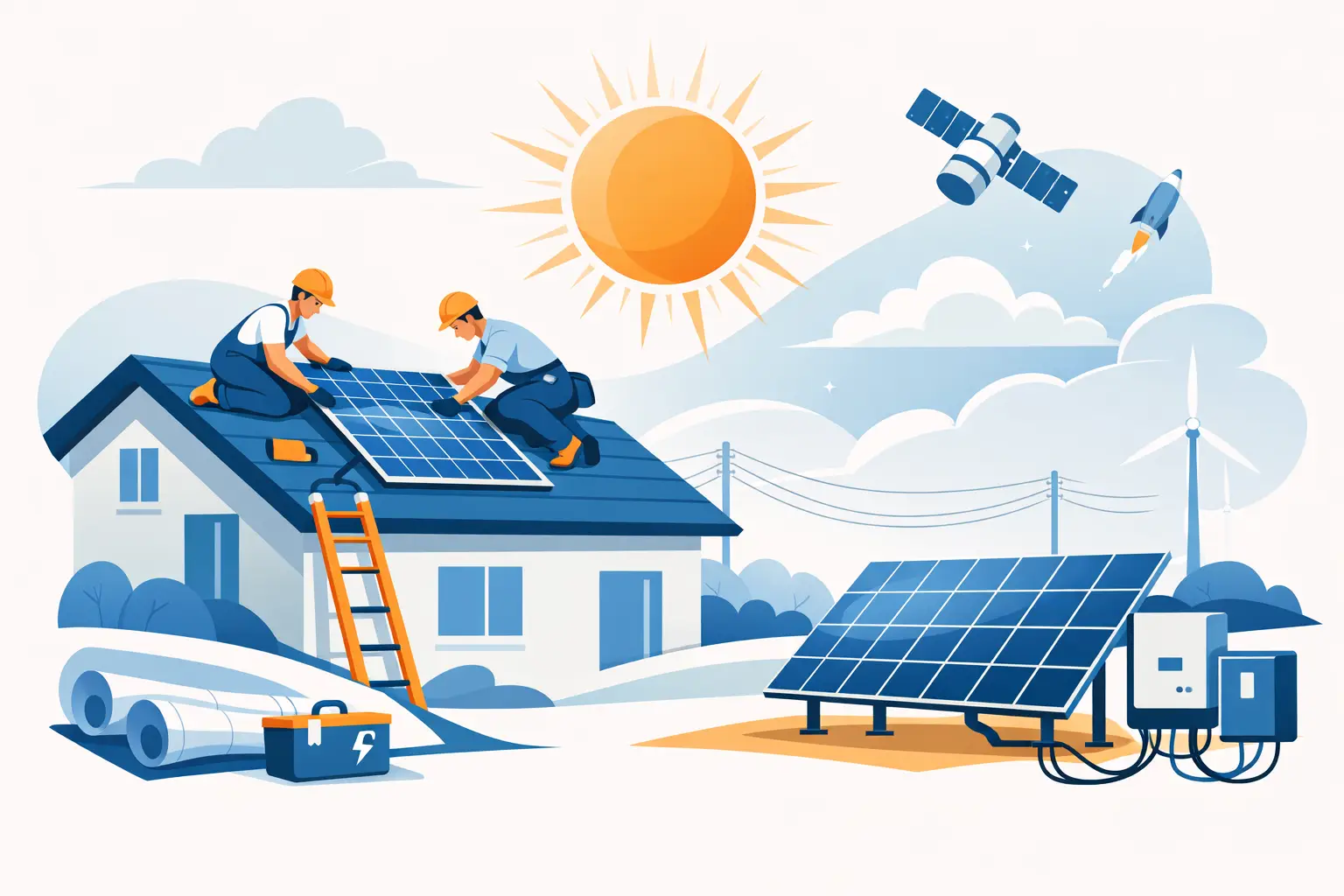
In practical terms, solar system installation means turning available roof or ground space into a power-generating asset. The system captures sunlight through solar PV panels, converts it into electricity through an inverter, and feeds that power into your property’s electrical system. If a battery is included, surplus electricity can be stored for later use instead of being exported straight back to the grid.
That sounds straightforward, but proper installation involves much more than mounting equipment. There is site assessment, system design, structural checks, electrical integration, testing, certification and aftercare. The quality of each stage affects performance, safety and long-term savings.
This is why experienced installers look at the whole setup rather than one product in isolation. Panels matter, but so do inverter choice, cable routing, roof fixing methods, consumer unit connections and how the system interacts with the rest of the property.
The main parts of a solar installation
A standard solar PV installation usually includes panels, an inverter, mounting equipment, DC and AC cabling, isolators and monitoring. Many systems now also include battery storage, and some are designed to work alongside EV chargers or other energy-saving upgrades.
The panels generate direct current electricity. The inverter converts that into alternating current electricity, which your home or business can use. Mounting systems secure the panels safely to the roof or another structure, and the electrical components ensure the system can be isolated, monitored and maintained correctly.
If a battery is added, the setup becomes more flexible. You can store excess generation during the day and use it later, often during the evening when demand is higher and imported electricity costs more. For some customers, that makes a noticeable difference to bill savings. For others, the better reason is resilience and greater control over when electricity is used.
How the installation process usually works
A proper solar installation begins with a survey. This is where the installer assesses roof orientation, pitch, shading, available space, structural condition and your current electrical setup. At this stage, your electricity usage is just as important as your roof. A property with high daytime use may benefit from a different system design than one where demand peaks in the evening.
Once the survey is complete, the system is designed to suit the building and the customer’s goals. That includes panel layout, expected generation, inverter sizing and whether battery storage is worthwhile. There is always a balance to strike. A larger system may generate more electricity overall, but if much of that power is exported rather than used on site, the financial return may not be as strong as it first appears.
Installation day itself usually involves fixing the mounting system, installing the panels, fitting the inverter and battery if included, and completing all electrical connections. The system then needs to be tested and commissioned properly. That means checking that everything operates safely, performs as intended and complies with relevant standards.
For the customer, the final stage should include handover, certification and a clear explanation of how the system works. Good aftercare matters because even the best equipment performs better when the owner understands generation patterns, seasonal changes and how to make the most of battery storage or time-of-use tariffs.
What is included and what depends on the property?
Not every solar installation looks the same. The basic idea is consistent, but the final system depends on the property and what you want from it.
A typical home installation may focus on cutting household electricity bills, especially for families with regular daytime use, home working patterns or an electric vehicle. A commercial installation often has a stronger emphasis on offsetting daytime demand, improving operating costs and reducing reliance on volatile energy prices.
There are also technical differences from one property to another. Roof shape, tile type, available space, nearby shading and the condition of the existing electrical installation all influence what can be done. In some cases, the best option is a roof-mounted solar PV system. In others, a ground-mounted setup or a broader package including battery storage and EV charging makes more sense.
That is why there is no one-size-fits-all answer. The right installation is the one that matches the building, the usage pattern and the long-term plan for the property.
Why professional installation matters
Solar is an electrical installation, not a simple bolt-on product. If the design is poor or the workmanship is below standard, the system may generate less than expected, be harder to maintain, or create avoidable safety risks.
Professional installation matters for a few reasons. First, correct design helps you avoid underperforming systems or overspending on capacity you are unlikely to use effectively. Secondly, proper electrical work is essential for safe operation and compliance. Thirdly, a well-installed system is more likely to deliver the savings and reliability you expect over the long term.
For UK customers, accreditation and experience are worth paying attention to. An installer with solid electrical expertise and recognised solar standards can give you greater confidence that the system has been designed and fitted correctly. For example, working with an MCS-accredited installer helps ensure the installation meets recognised industry requirements.
At RJ Hill Electrical, that joined-up approach matters because solar rarely sits alone. It often needs to work alongside your wider electrical setup, battery storage, EV charging or future upgrades.
The benefits of solar system installation
The biggest reason people consider solar is simple: lower electricity costs. Generating your own power reduces how much you need to import from the grid, and with battery storage you can often use more of what you generate.
Beyond bill savings, there is also the benefit of energy independence. You may not become fully off-grid, but you can reduce your exposure to rising electricity prices and gain more control over your usage. For businesses, that can support more predictable operating costs. For households, it can ease the pressure of high monthly bills.
There is also the environmental case. Solar helps cut reliance on fossil-fuel-generated electricity and supports lower-carbon living. For many customers, that is a welcome benefit, but it is usually strongest when paired with practical financial value.
Still, it is worth being realistic. Solar performance changes through the year, and UK generation is naturally lower in winter than in summer. Savings depend on system size, orientation, usage patterns and whether you store or export excess electricity. A good installer will explain the likely return honestly rather than promising the same result for every property.
Is solar installation worth it for every property?
Not always. Some roofs are heavily shaded, too small, poorly oriented or simply not suitable without additional work. In other cases, the electrical infrastructure may need upgrading before solar can be connected properly.
That does not automatically rule the property out, but it does mean the economics and practicality need looking at carefully. Sometimes a smaller system is the right answer. Sometimes adding a battery improves the value. Sometimes the better route is to phase the project, starting with solar and expanding later.
This is where clear advice matters most. The goal should be a system that performs well and makes financial sense, not a generic package.
What to ask before going ahead
Before committing to any installation, ask how the system has been sized, what generation and savings are realistically expected, how the equipment will be positioned, and whether the quote includes testing, certification and aftercare. It is also sensible to ask how the system could be expanded later if your needs change.
A good quote should feel clear, not vague. You should understand what is being installed, why those components have been chosen, and how the system is expected to perform in real conditions.
Solar works best when it is treated as a long-term improvement to the property rather than a quick purchase. Done properly, it can cut bills, strengthen energy resilience and make better use of the electricity you already rely on every day.
If you are considering solar, the useful question is not just what is solar system installation, but what kind of installation will deliver the best result for your home or business over the years ahead.