What Is Solar PV Systems and How Do They Work?
5 July 2026 | By RJ Hill Electrical
If you are looking at rising electricity costs and wondering whether solar is worth it, the first question is usually simple: what is solar pv systems, and what does it actually do for a property? In straightforward terms, a solar PV system turns daylight into usable electricity for your home or business. It helps you buy less power from the grid, gives you more control over energy use, and can form part of a wider setup with battery storage and EV charging.
For many property owners, the appeal is practical rather than theoretical. Solar PV is not just about generating renewable energy. It is about lowering monthly outgoings, improving energy resilience, and making better use of your roof space. When designed properly, it becomes a working part of the building rather than an add-on.
What is solar PV systems?
Solar PV stands for solar photovoltaic. The photovoltaic part refers to the process that converts sunlight into electricity. So when people ask what is solar pv systems, they are usually asking about a complete setup that captures solar energy and turns it into power you can use on site.
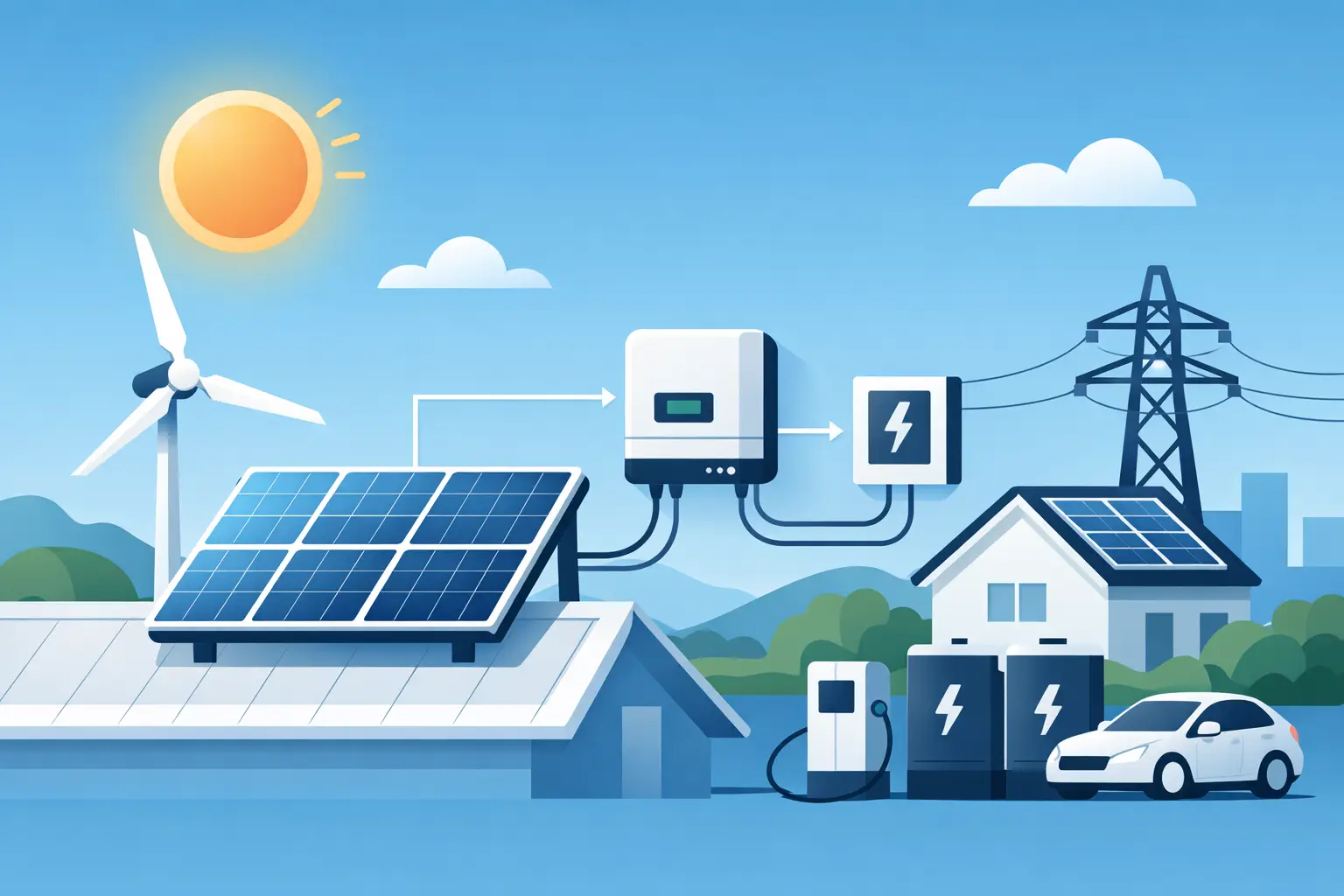
A solar PV system is made up of several parts working together. The panels on the roof generate direct current electricity. An inverter then converts that into alternating current, which is the type of electricity used by most buildings. If the system includes battery storage, some of that power can be stored for later instead of being used immediately or exported.
The result is a system that can support your daytime electricity demand, reduce dependence on imported energy, and in some cases provide a greater level of energy independence. The exact performance depends on the size of the system, the orientation of the roof, shading, and how electricity is used across the day.
How a solar PV system works in practice
On a bright day, your panels begin producing electricity as soon as there is enough daylight. That power is then used by appliances, lighting, office equipment, refrigeration, or other electrical loads within the building. If your property is using less electricity than the panels are producing at that moment, the extra can either go into a battery or be exported, depending on the setup.
This is where system design matters. A household that is empty during the day may not use as much solar power in real time unless it also has battery storage or timed appliances. A business operating through daylight hours may use a larger share of what it generates straight away. Neither approach is wrong, but the returns look different.
Solar PV does not usually replace the grid entirely. Most grid-connected systems still import electricity when generation is low, such as overnight or during darker winter periods. The benefit is that they import less overall, and they do so with a much greater level of control.
The main components
The panels are the visible part, but they are only one piece of the system. The inverter is central because it converts the electricity into a form your property can use safely and efficiently. Mounting equipment secures the panels in place, cabling connects the system, and protection devices ensure compliance and safe operation.
Where battery storage is included, that adds another layer of flexibility. It allows surplus generation to be saved for use later in the day, often during the evening when household demand rises. Some systems can also work alongside EV chargers, allowing more of your self-generated electricity to be used where it creates the most value.
What solar PV is good for
The main reason most people invest in solar PV is to cut electricity bills. If your system is well matched to the property, it can reduce the amount of electricity you need to buy from your supplier. Over time, that can produce meaningful savings, especially where usage is steady and daytime demand is high.
It also gives a degree of protection against energy price volatility. You are still connected to the market, but not fully exposed to every rise in unit cost. For homeowners, that can make running the property more affordable. For businesses, it can improve cost certainty and support better forecasting.
There is also the environmental benefit. Generating clean electricity on site reduces reliance on fossil-fuel-based generation and lowers the carbon impact of everyday operations. For some customers this is a core driver. For others, it is an added benefit alongside the financial case.
Where solar PV works best
Solar PV can suit a wide range of properties, but the best results come from systems designed around real usage patterns. A south-facing roof with minimal shading is often ideal, though east and west-facing roofs can also perform well. What matters most is not only how much electricity the system can generate, but when that generation happens compared with when the property uses power.
For homes, solar often works well where there is regular daytime use, battery storage, or an electric vehicle charged at suitable times. For commercial sites, workshops, offices, schools, farms and retail units can all benefit if there is enough roof space and a consistent electricity demand.
Older buildings, unusual roof structures, and shaded sites may still be viable, but they need more careful assessment. A good installer will look at roof condition, available area, cable routes, current consumption, and future plans before recommending system size.
What solar PV does not do
It helps to be clear about expectations. Solar PV does not guarantee zero bills on its own. It does not produce peak output all year round, and it does not remove the need for a safe, compliant electrical installation underneath it. The strongest results come when solar is part of a broader energy strategy rather than treated as a quick fix.
It is also not a one-size-fits-all product. Two neighbouring properties can have very different results depending on roof layout, occupancy, and electricity usage. A larger system is not automatically better if a significant share of generation is not being used effectively.
This is one reason many customers now consider battery storage at the same time. The extra cost can make sense where evening usage is high or where energy resilience is a priority. In other cases, a straightforward solar-only system may offer the best balance of spend and return.
Is solar PV worth it in the UK?
Yes, in many cases it is, but the answer depends on the property and the quality of the design. UK weather does not stop solar from being effective. Solar PV works on daylight, not just direct sunshine, which is why it continues to generate even on overcast days. Output is lower in winter and higher in summer, but annual generation can still make a strong contribution to your electricity needs.
The financial case depends on installation cost, how much electricity you use while the system is generating, whether you include a battery, and how long you plan to stay in the property. For businesses, operating hours and energy demand profiles are especially important. For homeowners, lifestyle and appliance use often shape the outcome.
A properly specified system installed to recognised standards gives you the best chance of seeing reliable long-term performance. That is where working with an experienced electrical and renewable installer matters. Good workmanship, sound design and proper aftercare are just as important as the panels themselves.
Choosing the right system size
The right size is the one that fits your roof, budget and energy use. Some customers want the fastest payback. Others want the highest practical generation. Others are planning ahead for an electric vehicle, heat pump, or rising business demand.
There is always a balance. Oversizing a system without a plan for using or storing the electricity may reduce overall value. Undersizing it may limit savings and future flexibility. A tailored design should take account of current bills, expected changes in usage, and whether battery storage should be included now or added later.
This is where a practical, service-led approach makes a difference. At RJ Hill Electrical, the focus is on recommending systems that perform well in real use, not just on paper.
What to look for from an installer
Solar PV is an electrical installation first and foremost, so competence matters. You want an installer that understands system design, electrical integration, safety, and long-term performance. Accreditation, product quality, and aftercare all count.
You should also expect clear advice. That means realistic generation estimates, a sensible explanation of likely savings, and honest discussion about trade-offs. If your roof is shaded, if your energy usage does not align well with solar generation, or if battery storage would materially improve the result, that should be explained from the outset.
The best systems are not chosen from a brochure. They are designed around the building and the people or business using it.
Solar PV is easiest to understand when you strip it back to the result. It is a system that helps your property generate its own electricity, reduce grid dependence, and make energy costs more manageable. If that lines up with your goals, the next sensible step is not guessing system sizes online. It is getting proper advice based on your roof, your usage and what you want the system to achieve.