
Battery Storage Systems for Grid-Connected PV
5 July 2026 | By RJ Hill Electrical
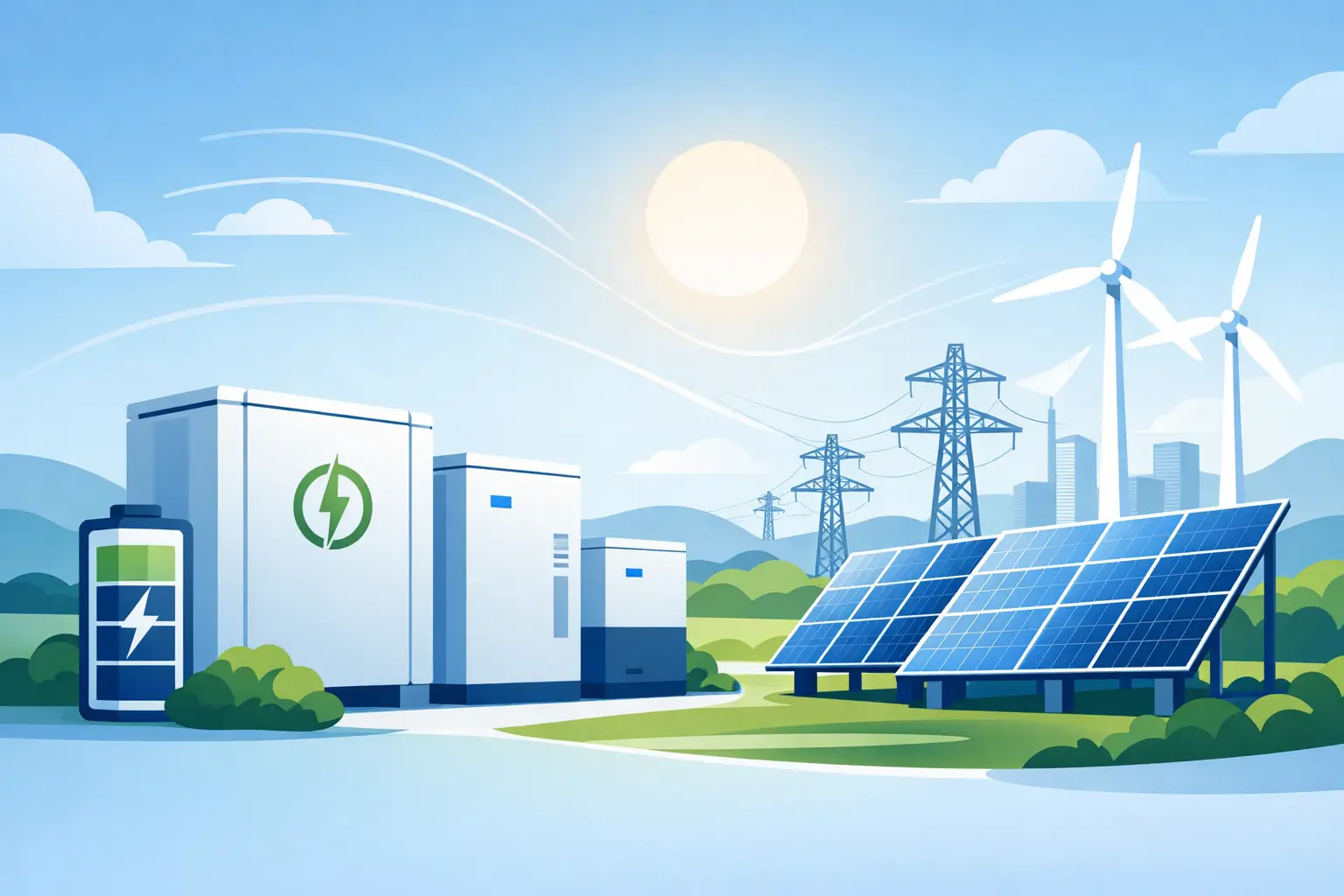
If your solar panels are exporting plenty of electricity during the day but you are still buying power from the grid in the evening, there is an obvious gap in the system. Battery storage systems for grid-connected PV systems are designed to close that gap by storing surplus solar generation for use when your property actually needs it.
For UK homeowners and businesses, that usually means one thing - lower reliance on imported electricity at the most expensive times of day. It can also mean better use of the system you have already invested in, more control over energy costs, and greater resilience when grid prices keep shifting.
What battery storage adds to a grid-connected solar system
A standard grid-connected solar PV system generates electricity when the sun is available and your property uses that electricity first. If generation exceeds demand, the surplus is usually exported to the grid. That is useful, but exporting at one rate and buying electricity back later at a higher rate is not always the best financial outcome.
Battery storage changes that equation. Instead of sending all excess generation out to the grid, the system can store some of it for later use. In practical terms, that means your daytime solar can cover part of your evening demand, when lighting, cooking, appliances or business loads are still running but generation has dropped away.
This is why battery storage is now a common next step for properties that want more than just daytime solar savings. It helps turn a generation-only system into a more flexible energy management setup.
How battery storage systems for grid-connected PV systems work
The principle is straightforward. Your solar array generates DC electricity, your inverter converts it for use in the building, and the battery stores surplus energy that is not needed straight away. When solar output falls or your demand rises above current generation, the battery discharges to support the load before you import from the grid.
The detail depends on the system design. Some installations use hybrid inverters that manage both solar and battery storage in one integrated setup. Others retrofit battery storage to an existing PV system using an AC-coupled arrangement. Both can work well, but the right option depends on what is already installed, how much capacity you want, and whether future expansion is likely.
That is where proper design matters. A battery should not simply be added because it sounds like a good idea. It needs to match your generation profile, typical usage patterns and tariff structure, otherwise the return can be underwhelming.
The main benefit is not just storage - it is timing
Most properties do not use electricity evenly across the day. A family home may be quiet through the middle of the day and much busier in the morning and evening. A business may have stronger daytime demand but still face costly imports outside generation peaks. In both cases, timing is often the issue.
Battery storage helps move self-generated electricity to the hours when it has the highest value. That can reduce imported units, improve self-consumption, and make the economics of solar stronger overall. It is also increasingly relevant where time-of-use tariffs are involved, because stored energy can reduce purchases during higher-rate periods.
There is a clear difference between a system that generates energy and a system that helps manage when that energy is used. That difference is often where the savings come from.
Is battery storage worth it for every property?
Not always, and this is where a sensible assessment matters.
If your property already uses most of its solar generation as it is produced, the value of adding a battery may be lower than expected. For example, a business with strong daytime demand may already consume a large proportion of its PV output directly. In that case, battery storage can still help, but the financial case needs to be measured carefully.
On the other hand, if you are exporting a lot of electricity during the day and importing heavily in the evening, battery storage can make much more sense. The same applies if you want greater energy independence, plan to add an EV charger, or want better control over future energy costs.
This is why there is no sensible one-size-fits-all answer. The right battery size, inverter setup and control strategy will differ between a family home, a rented property, a workshop and a larger commercial site.
Sizing a battery properly matters
A battery that is too small may fill up quickly and leave excess solar still being exported. A battery that is too large may not cycle efficiently enough through the year to justify the extra capital cost.
Good system sizing starts with your actual consumption, not guesswork. You need to understand how much electricity the property uses, when that demand occurs, how much solar generation is expected, and what you want the battery to achieve. Some customers want the fastest payback. Others prioritise resilience, future EV charging, or reducing grid dependence as far as possible.
In many cases, the most effective design is not the biggest one. It is the one that matches real usage patterns and leaves room for sensible future upgrades.
Backup power and resilience
One point often misunderstood is that not all battery systems provide power during a grid outage. Many grid-connected systems are designed primarily for savings and self-consumption rather than backup operation.
If backup capability matters to you, this needs to be specified from the start. The system design must support islanding or backup loads correctly, and the selected equipment has to be compatible with that function. For some homes and businesses, this is a valuable extra layer of resilience. For others, it is not necessary and would add cost without much practical benefit.
Again, it comes back to using the system for the outcome you actually want.
Battery storage for homes and businesses
Domestic and commercial properties often approach storage with different priorities.
For homeowners, the focus is usually on reducing evening imports, making better use of solar generation, and supporting wider energy upgrades such as heat pumps or EV charging. The appeal is simple - keep more of the electricity you generate and buy less from the grid.
For businesses, the decision is often more commercially driven. Battery storage can help reduce operating costs, improve use of on-site generation, and support a more stable energy strategy where bills are under pressure. Depending on the site, it may also help manage demand more effectively across the working day.
The principle is the same in both cases, but the design criteria are different. That is why an experienced installer will look at the property, the electrical infrastructure and the usage profile before recommending a solution.
Why installation quality matters as much as the equipment
The battery itself is only part of the result. Performance depends on correct design, proper integration with the existing electrical system, safe installation, and settings that reflect how the building is actually used.
A well-installed system should be straightforward to operate, easy to monitor, and configured to work efficiently with your tariff and demand profile. Poorly matched equipment or rushed installation can reduce savings, limit functionality and create avoidable issues later.
That is one reason many customers prefer working with a contractor who understands both core electrical work and renewable system design. With more than 20 years of electrical experience behind the work, RJ Hill Electrical approaches battery and solar projects as integrated systems rather than separate products.
What to look for before going ahead
Before installing battery storage, it is worth asking a few practical questions. Are you exporting enough solar to justify storage? Do you want better payback, more resilience, or both? Is your current inverter compatible, or would a different setup be more efficient in the long run?
You should also consider future changes. If you expect to install an EV charger, expand your PV array, or change how the building is used, that can affect the right battery size and configuration now. Planning ahead often avoids paying twice for changes that could have been built into the first design.
The strongest projects usually start with accurate load analysis and a clear target. Lower bills is a good starting point, but the best results come when the system is designed around how the property actually runs day to day.
Battery storage is not about adding complexity for the sake of it. It is about getting more value from your solar investment and keeping more control over the electricity you generate. If your property is sending usable energy back to the grid in the daytime and buying it back later at a premium, that is worth looking at properly.